Technology Consulting & Intelligent Software
Technology Consulting & Intelligent Software
Your AI Partner for building
Intelligent Software
Helping ambitious firms to solve the most
complex challenges
complex challenges




What our client say

Our services
Tech expertise that adapts to your needs
— from web & mobile to AI



Challenges are just opportunities in disguise. Take the challenge!
Our company
From idea to scale – we build and support your growth
7Years’
Experience
Working
Learn more about our Success Stories
Lengin is an AI-first technology partner helping ambitious companies transform and grow. We reimagine customer experiences, automate core operations, and ship intelligent software that delivers measurable business outcomes.
What drives us at Lengin
How we work
A proven process tailored for clarity, speed, and results
05 Steps
2
3
4
$
161
M
raised by clients
127
Finished projects
50
+
Skilled Experts
23
Countries
Case studies
Proud projects that make us stand out
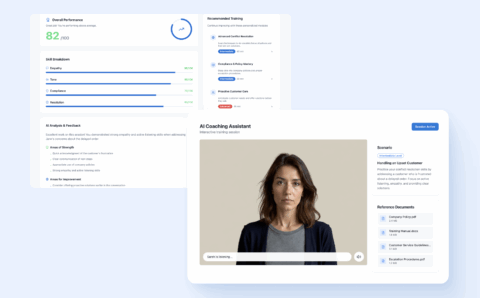
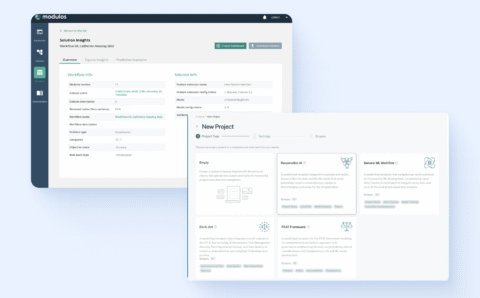
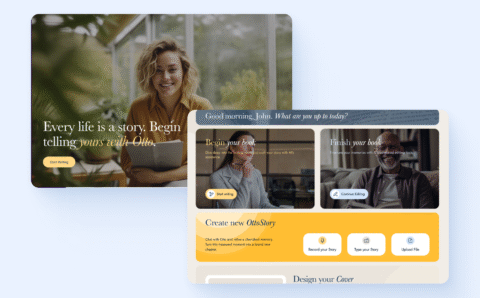
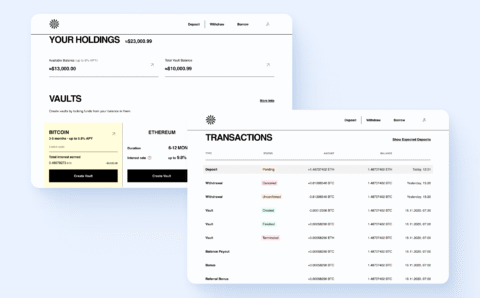
We deliver tailored solutions that make an impact. View all cases
What our client say


Frequently asked questions
How can we help your business?
We help your business grow by identifying ROI-driven opportunities and delivering intelligent, scalable software. Whether you need a custom web or mobile app, a proof of concept, or a dedicated engineering team — our team tailors can support your product roadmap. From discovery and UX to deployment and long-term support, we provide full end-to-end development. Our team also offers workflow automation and fractional CTO guidance to ensure your technology aligns with business goals.
Where are Lengin's specialists located?
Our developers are distributed across the globe, giving us true 24/7 coverage and cultural adaptability. A large part of our team comes from Eastern Europe — including Poland, Ukraine, Hungary, Bulgaria, the Czech Republic, and Romania. What sets us apart is our network of local fractional CTOs based in key business and tech hubs worldwide - acting as strategic bridges to translate business needs into technical roadmaps, align with stakeholders, and ensure delivery speed and quality.
What types of software development projects does Lengin specialize in?
At Lengin, we specialize in building intelligent, high-performance applications. From responsive web platforms to robust mobile and enterprise solutions, our team tailors our development to your industry and tech stack. We integrate AI to automate workflows, enhance decision-making, and create smarter user experiences. Our team also has a dedicated practice with deep expertise in FinTech and WealthTech, helping clients navigate complex challenges with scalable, secure software.
What is my involvement in the project?
You’ll actively collaborate with our team throughout development, providing essential feedback, requirements, and domain insights. As your product’s main stakeholder, you’ll share business objectives, user stories, and branding guidelines. We maintain transparent communication for timely decisions, ensuring a smooth process and a solution tailored to your needs.
How does Lengin use AI in software development?
For us, AI isn’t just an add-on as it’s built into our development approach. We create AI-powered features such as chatbots, recommendation engines, and workflow automation. Beyond that, our team helps businesses identify where AI can provide the most impact, from reducing operational costs to unlocking new revenue streams.
Do I need technical expertise to start an AI project with Lengin?
Not at all. Many of our clients are non-technical founders or business leaders. We guide you through the process, explain AI concepts in plain language, and handle the technical complexity. Our fractional CTOs ensure alignment between business strategy and technical execution, so you can focus on growth while we take care of the tech.